Woodbine Drug Crime Lawyer
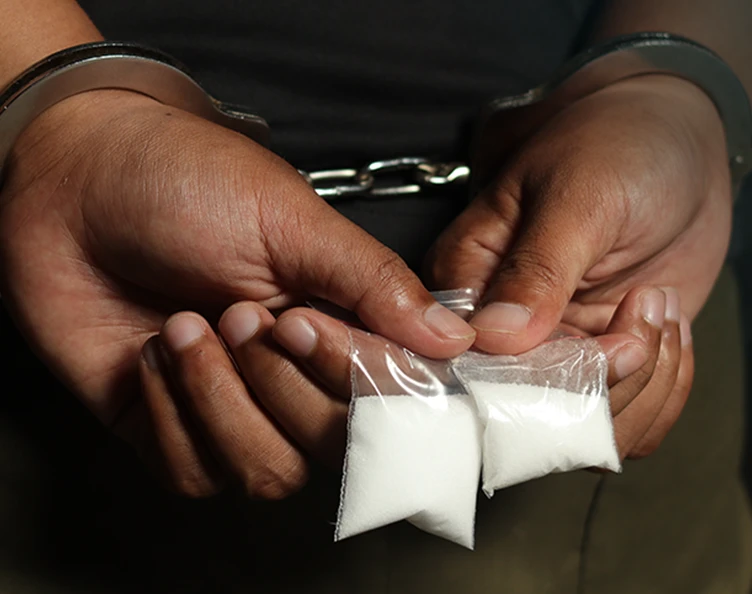

Being arrested for a drug crime can be an unsettling and stressful experience. Georgia’s criminal laws carry harsh penalties for anyone convicted of a drug crime. If you are facing drug-related charges, you can hire a Woodbine drug crime lawyer to defend you in court. Strong legal representation can ensure your rights are protected and you stand a strong chance of beating your charges.
A Criminal Defense Firm That Puts Clients First
Jarrett Maillet J.D., PC, represents clients facing drug crime charges in Woodbine. Since graduating with a law degree from Gonzaga University School of Law, our founding attorney has dedicated his career to representing defendants in Georgia. He understands the stress that can accompany an arrest and criminal charges and is dedicated to fighting on behalf of his clients with a results-driven strategy tailored to the unique circumstances of their cases.
Clear and consistent communication matters just as much as courtroom skill. You will always know where your case stands and what comes next. That lets you make informed decisions instead of guessing.
We also handle the legal issues that follow a charge, such as bond hearings and license problems. Call our office to set up a confidential consultation. There is no cost to hear where you stand.
Understanding Drug Crimes in Woodbine, GA
Drug crimes are aggressively investigated and prosecuted in Georgia. Common drug-related offenses include drug possession, distribution, trafficking, and manufacturing. Each charge carries the potential for specific consequences, including a permanent criminal record.
Camden County records a drug-related crime rate of 2.549 incidents per 1,000 residents each year. A statewide snapshot from 2022 reported 2,752 drug overdose deaths in Georgia, outpacing homicides, which totaled 1,234.
Georgia sorts controlled substances into five schedules. Where a substance falls plays a significant role in how the state charges the case. That single detail can change a misdemeanor into a felony.
Local Drug Cases and Where They Are Heard
One high-profile case involved a fentanyl trafficking operation in a Kingsland subdivision, where nine individuals were arrested. The home, located in the Underwood Plantation neighborhood off Edwards Drive near Highway 17, drew attention after neighbors reported suspicious late-night visitors and multiple overdose calls. Deputies seized fentanyl, LSD, and other narcotics during the raid.
For residents in Woodbine neighborhoods such as Satilla Bluff, River Walk, and Hickory Bluff, a drug charge can lead to severe penalties, including fines, probation, mandatory treatment, or prison. Cases are typically heard at the Camden County Courthouse (210 East 4th Street) in Woodbine, the county seat.
Charges filed near a school, park, or housing project bring extra penalties. Georgia treats school zones as an aggravating factor at sentencing. A case that would be routine elsewhere becomes much more serious there.
Types of Drug Charges in Georgia
Simple possession means the state says the drugs were for personal use only. Marijuana possession of an ounce or less is usually a misdemeanor. Larger amounts push simple possession into felony territory fast.
Possession with intent to distribute is a step up. Prosecutors point to scales, cash, and packaging materials to argue you planned to sell. A conviction for possession with intent can bring up to 15 years behind bars.
Drug trafficking is decided by weight, not by proof of a sale. Penalties for drug trafficking start around three years and can reach a life sentence. Crack cocaine charges and fentanyl charges often carry the steepest mandatory minimums.
Prescription Drug Crimes
Not every drug case involves street drugs. Prescription drug crimes cover pills held without a valid prescription, forged prescriptions, and sharing medication with a friend. People are often shocked to learn that the last one is a felony.
Proving a valid prescription can be a complete defense. Pharmacy records, doctor notes, and refill histories all help. Our drug crime attorneys gather those records early.
Health care workers face added risk in these cases. A conviction can trigger a review of professional licensing on top of the criminal penalty. That makes an early defense strategy worth every bit of effort.
Effective Legal Defense Strategies
Any strategies that cast doubt on the prosecution’s narrative of events can help defendants successfully fight their charges. For many drug crimes, this starts with a close examination of how evidence was collected. Unlawful detentions and searches of property without permission or a valid warrant can lead to suppression of evidence.
Once law enforcement collects evidence, they must document exactly where it was held, tested, and stored. Without clear, timestamped records establishing a consistent chain of custody, the defense can challenge the reliability of that evidence and argue it should not be trusted in court.
Mistaken identity can also be a viable legal defense, especially when prosecutors rely on eyewitness testimony. Prosecutors have a high bar to meet when proving guilt beyond a reasonable doubt. When they cannot meet their burden, defense attorneys can leverage weak cases by demanding justice through dropped charges or other remedies.
Challenging Police Conduct and Illegal Searches
A common approach in drug cases is to question how the encounter started. Officers need probable cause before a stop or a search. Without it, we argue for constitutional violations and ask the judge to toss the evidence.
Illegal searches happen more often than people expect. So do custody errors and sloppy evidence handling in the lab. Your attorney will file motions to suppress anything obtained the wrong way.
We also compare police reports against body camera video line by line. Small gaps between the two can undercut the prosecution’s case. Independent review of prosecution evidence is part of every trial defense we build.
Disputing Possession and Intent
The state must prove knowledge and control of the drugs, not just that you were nearby. Being a passenger in a car is not enough on its own. Lack of possession is one of the strongest arguments available.
Constructive possession claims come up when drugs are found in a shared home or vehicle. We work to show you had no actual knowledge of the drugs. Fingerprints, ownership records, and witness accounts can back that up.
You also have the right to dispute what the state says you intended. A personal amount can be argued down from intent to distribute. Beating the intent element can turn felony drug charges into something far smaller.
Why You Should Hire a Drug Crime Lawyer
Facing a drug-related offense without strong legal representation could be a costly mistake that jeopardizes your freedom and your future. When you hire a drug crime lawyer, you gain the support of a legal advocate who understands the state’s drug crime laws and how to shield you from serious drug crime penalties.
A Woodbine drug crime attorney brings years of experience handling drug crime cases. They know what to look for when searching for signs of unlawful arrests or other missteps by law enforcement or prosecutors that could lead to evidence being suppressed in your case.
Local knowledge matters here. Ask any lawyer about their record in the courts where your case will be heard. Judges and prosecutors have habits, and knowing them shapes plea negotiations and trial strategy alike.
Penalties and Long-Term Consequences of a Drug Conviction
Penalties in Georgia run from a small fine to decades in prison. Jail time depends on the substance, the weight, and your history. Felony cases also bring years of probation and steep fees.
The potential consequences reach well past the courtroom. A drug conviction can limit job offers for years because it shows up on background checks. Housing applications and professional licenses can be denied too.
Those long-term consequences are why fighting the charge matters. Record restriction may be available in some situations. A drug crime attorney can tell you honestly whether your case qualifies.
What to Do After a Drug Arrest
Invoke your right to remain silent right away. Say you want a lawyer and then stop talking. Officers can use friendly conversation to gather statements that hurt you later.
Write down what happened while it is fresh. Note the time, the location, who was present, and what was said. Those details help your attorney spot constitutional rights problems in the stop.
Do not discuss your case with anyone but your attorney. That includes friends, coworkers, and social media. Jail calls are recorded, and prosecutors listen to them.
Drug Court and Options for First Time Offenders
Georgia allows alternative outcomes for first-time offenders in many drug cases. Treatment, probation, and conditional discharge are all on the table. These paths focus on recovery instead of punishment.
Drug court is one of the strongest of those options. It combines supervision, testing, and counseling over a set period. Finishing the program can lead to charges dismissed or a much lighter sentence.
Drug court eligibility depends on the charge and your record. Violent counts and large trafficking charges are usually excluded. We review the legal process with you and explain whether that door is open.
Serving Woodbine, Camden County, and Chatham County
Many criminal defense lawyers cover several counties along the coast. Our firm handles matters in both Camden County and Chatham County. That includes Savannah drug cases filed after a traffic stop or a search warrant.
Felony matters in Savannah move through Chatham County Superior Court. The pace and expectations in the Chatham County courts differ from smaller venues. Knowing those differences helps us respond to plea offers with a clear head.
Local representation is worth seeking out no matter which venue you land in. A lawyer who appears there weekly reads the room better. Whether you face Savannah drug charges or a case in Woodbine, we know the ground.
FAQs
What Evidence Is Needed for a Drug Conviction?
The evidence needed for a drug conviction depends on which type of offense you are facing. Drug possession requires proof that you were in possession of a controlled substance. Drug sales charges require evidence that you sold or intended to sell drugs. Packaging material, scales, and large quantities of money can be used to prove this offense. Trafficking is a related and serious drug crime that is generally proven by the quantity of drugs involved.
Can You Go to Jail for Text Messages About Drugs in Woodbine, GA?
Yes. You can go to jail for text messages about drugs in Woodbine, GA. Text messages can be used as evidence in drug crime charges. If you discuss buying, selling, manufacturing, or transporting drugs, those messages can be used against you. Law enforcement can gain access to your phone, phone records, and data from your cell phone carrier with a subpoena or warrant before you are charged with a crime. A defense attorney can respond by providing an explanation for the messages that does not incriminate you.
Who Can Drop Drug Charges?
Prosecutors can drop drug charges when they no longer have sufficient evidence to push forward with criminal charges, or a witness turns out to have credibility issues. If the DA’s office opts not to move forward with charges, this means that you will not face charges for that specific offense. Prosecutors have to weigh the costs and benefits of pursuing a case, given the limited resources of their office and priorities.
What Is the Main Difference Between a Misdemeanor and a Felony?
The main difference between a misdemeanor and a felony is the potential punishment that can follow a conviction for either crime classification. Felonies carry much longer sentences than misdemeanors. While a month or up to one year of confinement following a misdemeanor conviction would be served in jail, felony convictions lead to long periods of confinement in state prisons.
Is Marijuana Legal in Georgia?
Recreational use is still illegal statewide. An ounce or less is usually a misdemeanor, though some cities treat it as a local ordinance violation. Larger amounts remain a felony under state law.
How Much Is Considered Drug Trafficking in Georgia?
Trafficking is based on weight, and the threshold changes by substance. Cocaine and meth trigger it at 28 grams, while marijuana takes 10 pounds. No sale has to be proven at all.
Can a Passenger Be Charged With Drug Possession?
Yes, under constructive possession rules. The state can charge everyone in a car when drugs are found in a shared space. Prosecutors still have to prove knowledge and control over the item.
Do Police Need a Warrant to Search Your Car?
Not always, which surprises many drivers. Officers can search without a warrant if they have probable cause or if you consent. You can politely refuse consent, and doing so protects your options later.
Can You Face Federal Drug Charges in Georgia?
Yes. Any drug offense can be pursued under federal law, especially when it crosses state lines or involves large amounts. Federal cases carry stiffer mandatory minimums than state ones.
Does a Drug Conviction Affect a Professional License?
It often does. Nursing boards, real estate boards, and commercial driving programs all review criminal history. Some suspend a license automatically once a felony conviction is entered.
Can You Get Probation for a Felony Drug Charge?
Probation is possible in many felony drug cases, especially for a first offense. Judges weigh your record, the amount involved, and whether treatment is appropriate. Trafficking counts with mandatory minimums are the hardest to avoid.
Work With a Criminal Defense Firm That Puts Clients First
When your freedom is on the line, you need legal representation that gets results. At Jarrett Maillet J.D., P.C., we fight aggressively to protect the rights of our clients and fight drug crime, DUI, and other criminal defense charges with a focused, results-driven strategy. While other firms handle a wide range of civil and criminal cases, our firm focuses on representing defendants in criminal court.
Our clients work directly with our lead attorney, so they receive the personalized attention and comprehensive legal services they deserve. Contact our office today to begin building a defense that safeguards your future and helps you move forward with confidence.
Every day that passes gives the state more time to build its file. Call 912-713-3426 now to schedule your confidential consultation with a Woodbine drug crime attorney. We will review your options and start protecting your constitutional rights today.
Jarrett Maillet J.D., P.C.
Professional.
Trustworthy.
Honest.