Savannah Drug Manufacturing Defense Lawyer
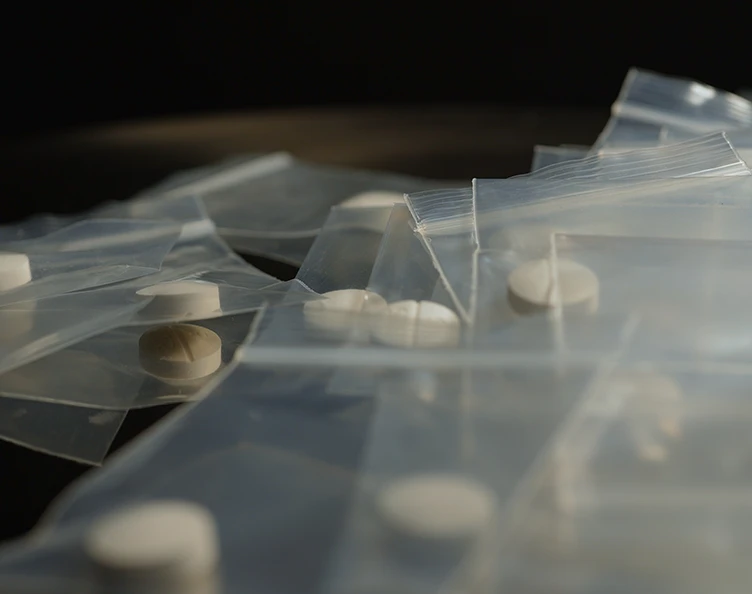

Being accused of manufacturing illegal drugs can put your freedom, career, and future at risk. You might be facing allegations involving a suspected methamphetamine lab, marijuana cultivation, or equipment investigators believe was used to produce controlled substances. In some cases, people are charged because drugs or manufacturing materials were found in a home, vehicle, or building they shared with someone else.
At Jarrett Maillet J.D., P.C., we represent people facing serious drug charges in Savannah and Chatham County. Attorney Jarrett Maillet is a former prosecutor with more than 20 years of legal experience. We examine how the investigation began, what evidence was collected, and whether prosecutors can connect our client to the alleged manufacturing activity. Our goal is to protect your constitutional rights and develop a defense based on the facts of your case.
Drug Manufacturing Charges Under Georgia Law
Georgia’s Controlled Substances Act prohibits the unlawful manufacture of controlled substances. Manufacturing can include producing, preparing, processing, converting, or cultivating certain drugs. These allegations may involve methamphetamine, cocaine, heroin, marijuana, or other substances regulated under Georgia drug laws.
Under O.C.G.A. § 16-13-30, the penalties for manufacturing a controlled substance depend on the substance involved, the applicable statutory provision, and the circumstances of the offense. Many manufacturing offenses are felonies, meaning a conviction can result in a substantial prison sentence and a permanent criminal record. However, not every manufacturing charge carries the same punishment.
The prosecution must establish the elements of the specific offense charged. Simply being near illegal drugs or equipment does not automatically prove someone manufactured a controlled substance. We examine whether the evidence establishes the required conduct and mental state, including whether our client knowingly participated in the alleged activity.
Common Drug Manufacturing Allegations in Savannah
Drug manufacturing investigations can involve several different substances and methods of production. Law enforcement may investigate a property after receiving a tip, conducting surveillance, executing a search warrant, or discovering suspected manufacturing materials during another investigation.
Common allegations include:
- Methamphetamine production: Operating or participating in an alleged methamphetamine laboratory.
- Marijuana cultivation: Growing cannabis plants in a residence, greenhouse, or other location without lawful authorization.
- Synthetic drug production: Manufacturing or processing substances prohibited under Georgia law.
- Processing controlled substances: Participating in activities prosecutors allege constitute unlawful drug preparation or production.
- Possession of manufacturing materials: Having chemicals, equipment, or other items that investigators associate with illegal production.
The presence of packaging materials, chemicals, scales, or specialized equipment may raise suspicion, but the prosecution must still prove the charged offense. Some items have lawful uses, and their presence does not necessarily establish criminal conduct.
We review the surrounding circumstances, including who owned the property, who had access to the materials, and whether the evidence connects our client to an actual manufacturing offense.
Manufacturing, Possession, Distribution, and Trafficking Charges
Georgia law treats different drug offenses separately. Drug possession charges generally concern unlawful possession of a controlled substance, while manufacturing allegations involve prohibited production or related conduct. Distribution charges address unlawful transfers of drugs, and possession with intent to distribute requires proof of additional elements beyond simple possession.
Drug trafficking charges are also distinct. In Georgia, trafficking may be established through specified quantities of certain controlled substances and conduct identified in the applicable statute. Prosecutors do not necessarily have to prove a large distribution network or transportation across state lines. The quantity and type of substance can be central to whether trafficking penalties apply.
A single investigation may lead to multiple allegations. For example, police might discover suspected manufacturing equipment along with quantities of cocaine, marijuana, or another controlled substance. Prosecutors may then pursue manufacturing, possession, or trafficking charges depending on the evidence and applicable law.
We evaluate each charge independently. Evidence that may support possession does not necessarily establish manufacturing, and the state must prove the legal requirements of every offense it pursues.
Actual and Constructive Possession in Manufacturing Cases
One of the most important questions in a drug manufacturing investigation is whether prosecutors can connect the accused person to the substances, equipment, or property involved.
Actual possession generally means having direct physical possession of an item. Constructive possession involves a person’s knowing power and intention to exercise control over something, even when it is not physically in their hands. Prosecutors may rely on constructive possession when drugs or manufacturing materials are found inside a shared residence, storage unit, or vehicle.
These allegations can become complicated when several people have access to the same location. Owning a home or signing a lease does not automatically establish that someone knew about illegal activity occurring there. Similarly, living with a person accused of manufacturing drugs does not, by itself, prove participation.
We examine ownership records, access to the property, statements, communications, fingerprints, and other evidence that may help establish who controlled the materials. When the prosecution relies on constructive possession, we look closely at whether its evidence establishes more than mere proximity or association.
Marijuana Cultivation and Manufacturing Charges in Georgia
Georgia law treats marijuana cultivation differently from simple possession. While possession of one ounce or less of marijuana generally falls under the state’s misdemeanor possession provision, cultivating marijuana plants can expose someone to felony charges under other provisions of the Controlled Substances Act.
The amount involved and the conduct alleged may also affect whether prosecutors pursue manufacturing or marijuana trafficking charges. Georgia’s trafficking statute includes specific weight thresholds, and the penalties can involve mandatory minimum prison sentences and substantial fines.
Georgia’s limited medical cannabis laws do not provide general permission for individuals to grow marijuana at home. A person who possesses qualifying medical cannabis products under applicable law should not assume that authorization extends to cultivating plants.
Our firm examines how the plants were discovered, how investigators documented the alleged cultivation, and whether the evidence supports the charges filed. We also consider whether law enforcement lawfully entered or searched the property.
Penalties for Drug Manufacturing Convictions in Georgia
Drug manufacturing convictions can carry lengthy prison sentences, substantial fines, and lasting consequences. The exact punishment depends on the drug’s classification, the statutory offense, the quantity involved when relevant, and the person’s criminal history.
Under Georgia law, many manufacturing offenses involving Schedule I or Schedule II controlled substances are punishable by significant felony prison terms. Some offenses involving other drug schedules have different sentencing ranges. Trafficking charges may carry additional mandatory minimum prison sentences based on the substance and qualifying weight.
A conviction may also create problems outside the criminal case. Depending on the circumstances, individuals may face difficulties with employment, professional licensing, housing, and other opportunities. Felony convictions can also affect certain civil rights under Georgia law.
Because sentencing rules differ among manufacturing, trafficking, and related offenses, we review the exact statute listed in the charging documents before explaining potential penalties. We also consider whether the prosecution has sufficient evidence to support the charge and whether any lawful sentencing alternatives may be available.
Federal Drug Manufacturing Charges in Savannah
Some drug manufacturing investigations involve federal law enforcement agencies or result in charges under federal statutes. Federal prosecution may arise when an alleged offense involves interstate activity, a larger investigation, federal jurisdiction, or other circumstances that lead federal authorities to pursue the case.
Under 21 U.S.C. § 841, federal law prohibits certain activities involving the manufacture, distribution, or dispensing of controlled substances. Federal penalties can depend on the drug, quantity, prior qualifying convictions, and other statutory factors. Some offenses carry mandatory minimum prison sentences, while others do not.
Federal prosecutors may also pursue conspiracy charges when they allege that multiple people agreed to participate in unlawful drug activity. These cases can involve communications, financial records, witness statements, and evidence gathered over an extended investigation.
When a case involves federal drug charges, we examine the specific allegations and the evidence supporting federal jurisdiction. State and federal cases follow different procedures, and the appropriate defense must account for the court and statutes involved.
Evidence Used in Drug Manufacturing Investigations
Prosecutors may rely on physical evidence, laboratory testing, witness testimony, and electronic records to establish an alleged manufacturing offense. Investigators sometimes collect equipment, chemical containers, packaging materials, financial records, or communications they believe connect a person to illegal production.
However, the presence of suspicious materials does not answer every legal question. Investigators must still establish what the items were, how they were used, and whether the accused person knowingly participated in the prohibited conduct.
We examine evidence such as:
- Police reports, search warrants, and supporting affidavits
- Laboratory reports identifying suspected controlled substances
- Photographs and recordings of the searched property
- Fingerprints, DNA evidence, and other forensic findings
- Text messages, phone records, and financial documents
- Statements from witnesses, informants, or other defendants
- Records showing ownership, occupancy, or access to the location
Scientific evidence can be particularly important when investigators claim that a substance or residue proves illegal manufacturing activity. We review laboratory results, testing procedures, and chain-of-custody documentation to determine whether the evidence supports the prosecution’s conclusions.
When appropriate, independent expert review may help clarify disputed scientific findings. Our defense strategy depends on the evidence actually available rather than assuming every laboratory report or police conclusion is reliable.
Challenging Illegal Searches and Seizures
Drug manufacturing investigations frequently involve searches of homes, vehicles, storage buildings, or commercial properties. The Fourth Amendment protects people against unreasonable searches and seizures, although the law recognizes specific exceptions to the warrant requirement.
We examine whether officers obtained a valid search warrant, whether the supporting affidavit established probable cause, and whether the search remained within its lawful scope. In cases involving traffic stops, we also review the reason for the stop and whether the detention or subsequent search complied with constitutional requirements.
An illegal search may provide grounds to challenge evidence obtained during the investigation. Depending on the circumstances, we may file a motion to suppress evidence that was collected in violation of constitutional protections.
However, not every procedural mistake results in exclusion of evidence, and not every successful suppression motion leads to dismissal. We evaluate the legal issues carefully and explain how a potential challenge could affect the prosecution’s case.
Building a Defense Against Drug Manufacturing Allegations
A strong defense begins with understanding what the prosecution must prove. Some cases involve disputed possession or control of a property. Others involve questions about whether materials were actually used to manufacture a controlled substance or whether the accused person knowingly participated in illegal activity.
We examine the investigation from beginning to end, including witness statements, search procedures, forensic testing, and the circumstances surrounding the arrest. When the evidence supports a challenge, we may contest the sufficiency of the prosecution’s case, seek exclusion of unlawfully obtained evidence, or question the reliability of expert conclusions.
We also consider whether the charges accurately reflect the alleged conduct. In some cases, prosecutors may have evidence of possession but insufficient proof of manufacturing. Depending on the facts, negotiations may involve reduced charges or other resolutions, although no particular outcome can be guaranteed.
Our approach is to identify the strongest available legal arguments while keeping our clients informed about the risks and options at each stage of the criminal process.
Drug Manufacturing Cases in Savannah and Chatham County Courts
Drug manufacturing allegations in Savannah may be investigated by local, state, or federal law enforcement agencies. The court handling the case depends on the charges, jurisdiction, and whether prosecutors pursue the matter under Georgia or federal law.
State felony cases arising in Chatham County generally proceed through the appropriate Superior Court process. Federal drug prosecutions in the Savannah area may be handled in the United States District Court for the Southern District of Georgia.
The criminal process may include bond hearings, discovery, pretrial motions, plea negotiations, and trial. During discovery, the defense examines the evidence prosecutors intend to use and may investigate additional facts relevant to the allegations.
We help clients understand upcoming hearings, court requirements, and the possible consequences of each decision. Early representation can also help preserve evidence and identify issues that may become more difficult to investigate as time passes.
Defense Representation From Former Prosecutor Jarrett Maillet
Attorney Jarrett Maillet has more than 20 years of legal experience, including previous work as a prosecutor. That background helps him evaluate how criminal investigations are developed, how charges are pursued, and what evidence prosecutors may rely on in court.
At Jarrett Maillet J.D., P.C., we provide individualized representation for clients facing serious drug offenses. We review the investigation, examine the prosecution’s evidence, and develop a defense strategy based on the circumstances of the case. Clients work directly with Jarrett and receive clear explanations about their legal options.
Whether the allegations involve marijuana cultivation, methamphetamine production, or another controlled substance, we take the charges seriously. Our focus is on protecting our clients’ rights and pursuing the strongest available defense under Georgia law.
Frequently Asked Questions About Drug Manufacturing Charges in Savannah
Can I Be Charged With Drug Manufacturing if Nothing Was Actually Produced?
Potentially. Georgia law defines manufacturing broadly, and certain conduct involving the production or preparation of controlled substances may support criminal charges even when investigators do not recover a finished product. Depending on the circumstances, prosecutors may also pursue attempt or conspiracy allegations. The specific offense and evidence matter, and merely possessing ordinary equipment does not automatically establish that someone committed a manufacturing crime.
Can I Face Charges if Someone Else Was Manufacturing Drugs in My Home?
Yes, but prosecutors must establish the elements of the offense charged. Owning, renting, or living at a property where manufacturing occurred does not automatically prove knowing participation. Investigators may examine who controlled the premises, who had access to the equipment, and whether the accused person knew about or participated in the activity. These facts can be central to the defense.
Can Police Search My Property Based on a Tip About Drug Manufacturing?
A tip may contribute to an investigation, but it does not automatically authorize officers to search a home or other protected property. Police generally need a valid warrant, consent, or a recognized exception to the warrant requirement. The reliability of the tip, supporting evidence, and circumstances of the search may affect whether the evidence was lawfully obtained.
Are Marijuana Cultivation Charges Different From Marijuana Possession Charges?
Yes. Georgia law distinguishes possession from cultivation and manufacturing. Possessing one ounce or less of marijuana is generally a misdemeanor under the applicable possession statute, but growing marijuana plants can expose a person to felony charges. Larger quantities may also raise trafficking issues. The prosecution must establish the elements of the specific offense, including any relevant quantity requirements.
Can a Drug Manufacturing Charge Be Reduced to Drug Possession?
It may be possible, depending on the evidence, the specific charges, and the prosecutor’s position. For example, evidence may support possession of a controlled substance without establishing that the accused person participated in manufacturing it. Any proposed reduction must be evaluated carefully because possession can still carry serious criminal consequences, including felony penalties for certain substances.
What Happens if a Drug Manufacturing Case Involves Multiple Defendants?
When several people are accused of participating in the same operation, prosecutors may pursue separate charges against each person or allege a criminal conspiracy. The evidence and potential defenses can differ substantially among defendants. One person’s statements or actions do not automatically establish another person’s guilt. We examine the evidence connecting our client to the alleged activity and consider whether conflicting interests among defendants affect the case.
Can a Drug Manufacturing Conviction Affect My Professional License?
Yes. A felony drug conviction may create professional licensing problems depending on the occupation, licensing board, and applicable rules. Some professions require disclosure of criminal charges or convictions, while others impose additional restrictions for certain offenses. Anyone facing manufacturing allegations should consider these possible consequences before accepting a plea agreement or making other decisions about the criminal case.
Contact Our Savannah Drug Manufacturing Defense Lawyer
Drug manufacturing allegations can result in serious felony charges, lengthy prison sentences, and consequences that affect your family and future. At Jarrett Maillet J.D., P.C., we examine the prosecution’s evidence, challenge unlawful investigative practices when supported by the facts, and help clients understand their defense options.
If you are facing drug manufacturing charges in Savannah or Chatham County, call (912) 713-3426 or contact us online to schedule a free, confidential consultation with attorney Jarrett Maillet. We are ready to review the allegations and discuss the next steps in your defense.
Jarrett Maillet J.D., P.C.
Professional.
Trustworthy.
Honest.