Brunswick Drug Crime Lawyer
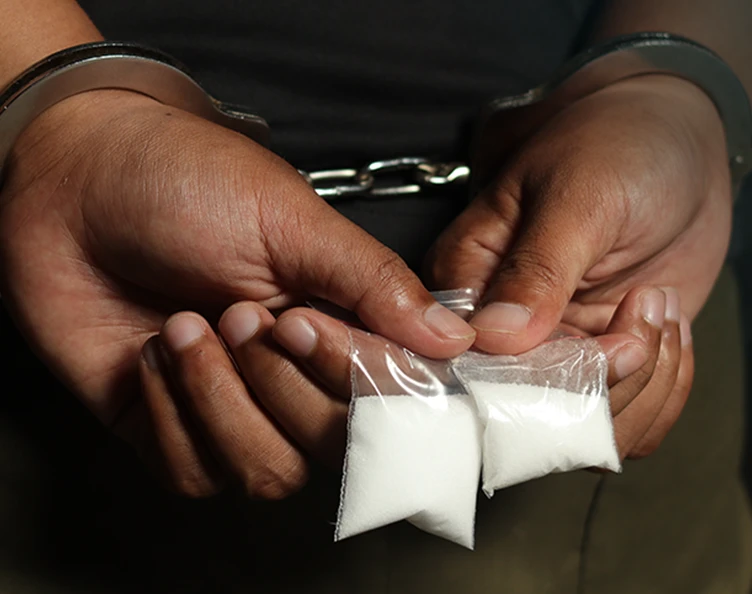

Strategic Defense for Drug Charges in Glynn County and Coastal Georgia
At Jarrett Maillet J.D., PC, our Brunswick drug crime attorney provides experienced, results-driven defense for individuals facing drug-related charges in Glynn County. Whether you were arrested for possession, distribution, or trafficking, a drug offense in Georgia can carry serious criminal penalties, including jail time, fines, and a lasting record.
Drug crime cases are often complex and evidence-driven. If you were arrested in Brunswick or the surrounding coastal region, it is critical to have a defense lawyer who understands both Georgia law and the local court system. We are here to protect your rights and help you pursue the best possible outcome.
Types of Drug Charges in Georgia
Georgia law categorizes drug offenses based on the type of substance and the nature of the alleged conduct. The primary statute governing controlled substances is O.C.G.A. § 16-13-30. Common drug charges in Brunswick include:
- Possession of a controlled substance
- Possession with intent to distribute
- Drug trafficking based on quantity thresholds
- Prescription drug offenses
- Possession of marijuana
Georgia classifies controlled substances into schedules. Penalties vary depending on the schedule and the amount involved.
Penalties for Drug Crimes in Brunswick
Drug crime penalties in Georgia can range from misdemeanor consequences to lengthy prison sentences. The severity depends on factors such as the type of drug, the quantity, and whether there is evidence of intent to distribute. Potential penalties include:
- Misdemeanor charges for small amounts of marijuana
- Felony charges for possession of most controlled substances
- Mandatory minimum prison sentences for trafficking offenses
- Substantial fines and probation
Trafficking charges, in particular, carry mandatory minimum sentences that cannot be avoided through probation alone.
In Brunswick, drug cases are typically prosecuted in Glynn County courts. Local prosecutors often pursue these cases aggressively, especially when large quantities or multiple substances are involved.
Local Considerations: Drug Enforcement in Brunswick
Brunswick’s location along Interstate 95 makes it a key corridor for law enforcement drug interdiction efforts. State and local agencies frequently monitor traffic for suspected drug activity, which can lead to arrests based on vehicle searches. Common local factors in drug cases include:
- Traffic stops along I-95 and Highway 17
- Joint operations involving the Glynn County Police Department and Georgia State Patrol
- Drug investigations tied to port activity or shipping routes
- Increased enforcement during tourism seasons
Because of these enforcement patterns, many drug arrests begin with a traffic stop that leads to a search. Whether that search was lawful is often a critical issue in the case.
How Our Brunswick Drug Crime Attorney Can Help
At Jarrett Maillet J.D., PC, we provide a thorough and strategic approach to defending drug charges. Our goal is to identify weaknesses in the prosecution’s case and protect your constitutional rights. We are prepared to:
- Investigate the circumstances of your arrest
- Challenge the legality of searches and seizures
- Review laboratory testing procedures and results
- Analyze whether law enforcement followed proper protocols
We also handle all communication with prosecutors and work to pursue reduced charges, alternative sentencing, or dismissal when possible.
Defense Strategies in Drug Crime Cases
Drug cases often hinge on technical legal issues. A strong defense may involve:
- Challenging unlawful searches under the Fourth Amendment
- Arguing lack of knowledge or possession
- Disputing the accuracy of drug testing
- Questioning whether the evidence supports intent to distribute
The United States Constitution protects individuals from unreasonable searches and seizures. If law enforcement violated your rights, key evidence may be excluded from court.
Drug Crimes in Brunswick: Frequently Asked Questions (FAQs)
Can I be charged with a felony for drug possession in Georgia?
Yes. Possession of most controlled substances is classified as a felony under Georgia law. The specific charge depends on the type and amount of the substance.
What is the difference between possession and trafficking?
Possession generally refers to having a controlled substance, while trafficking is based on possessing a quantity above a statutory threshold. Trafficking charges carry much harsher penalties, including mandatory minimum prison sentences.
Can a traffic stop lead to a drug arrest?
Yes. Many drug arrests in Brunswick begin with a traffic stop. If law enforcement conducts a search and finds illegal substances, criminal charges may follow. The legality of the stop and search is often a key issue.
Are there alternatives to jail for drug offenses?
In some cases, yes. Depending on the circumstances, options such as drug court programs, probation, or treatment may be available. Eligibility varies based on the charge and criminal history.
Contact a Brunswick Drug Crime Attorney Today
At Jarrett Maillet J.D., P.C., we are committed to defending individuals facing drug charges in Brunswick and throughout Glynn County. Drug crime cases can have serious and lasting consequences, but you do not have to face them alone. If you have been arrested or are under investigation, contact our office today for a confidential, no obligation consultation. We are ready to stand by your side and protect your future.
Jarrett Maillet J.D., P.C.
Professional.
Trustworthy.
Honest.