Pembroke Drug Crime Lawyer
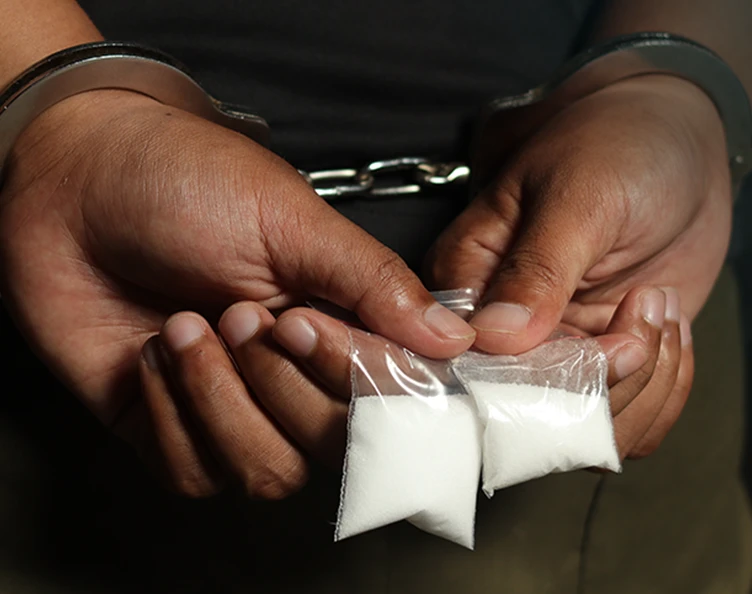

Facing a drug crime charge can be an extensive and stringent process. This is true even when those of good standing find themselves ensnared in legal troubles over minor possession or distribution offenses. The repercussions of drug crimes are severe and can encompass incarceration, hefty fines, and a criminal record. If you have been charged with a drug crime, a Pembroke drug crime lawyer can help. Selecting a criminal defense lawyer with a deep understanding of local court procedures will give you a clear advantage.
Why Choose Us?
At the Law Office of Jarrett Maillet J.D., PC, we have a deep understanding of Georgia’s intricate drug laws. We have had extensive field work in defending clients against a wide range of drug-related charges. Our firm offers unmatched legal counsel with our proven results for our clients. We take a personalized approach to each case. Our team can create a defense strategy that is unique to your case and needs. Our dedicated drug crime defense paths are aimed at helping you avoid jail time.
We have a record of success and commitment to justice. Our firm prioritizes open communication and provides comprehensive legal counsel, ensuring that you can receive unwavering support and guidance throughout the legal process. A seasoned criminal defense attorney from our team will thoroughly challenge the prosecution’s evidence at every step.
What Is a Drug Crime?
In Pembroke, Georgia, the possession and distribution of controlled dangerous substances are tightly regulated. Penalties are generally given based on the amount and schedule under which a drug falls. Schedules are categorized I-V and are given based on the drug’s potential for abuse and its accepted medical use. Schedules are defined as follows:
- Schedule I: These substances, including heroin, possess a high potential for abuse and have no accepted medical use. Under federal law, these items carry zero accepted medical value.
- Schedule II: Drugs like opium and morphine have a high abuse potential but are accepted for medical use under strict regulation. Their abuse may lead to severe psychological or physical dependence. Failing to hold a valid prescription for schedule II drugs triggers swift prosecution.
- Schedule III: These include anabolic steroids, which have a lower abuse potential than Schedule I or Schedule II drugs. They have an accepted medical use, and their abuse may result in moderate to low physical dependence or high psychological dependence.
- Schedule IV: These drugs have a lower abuse potential than Schedule III drugs and include substances like diazepam. They are medically accepted, and their abuse may lead to limited physical or psychological dependence relative to Schedule III drugs. Failing to handle Schedule IV items properly results in criminal enforcement.
- Schedule V: These have the lowest abuse potential and possess accepted medical uses. They have a limited risk of physical or psychological dependence. Schedule V drugs often include medications with small amounts of specified narcotics.
Types of Drug Crimes and Penalties
There are a number of offenses that are classified as drug crimes. Some of these include:
- Property crimes, like burglary or larceny, that are linked to drug habits
- Simple drug possession
- Possession with intent to distribute
- Synthetic drug offenses
- Drug trafficking
- Heroin possession or production
- Smuggling drugs
- Unauthorized possession or sale of prescription drugs
- Conspiracy charges
- Drug-related DUI charges
Penalties for drug offenses in Georgia vary depending on the specifics of each case. Typical penalties include hefty fines, imprisonment, mandatory drug treatment programs, driver’s license suspension, and probation. Offenses committed near schools or minors may result in enhanced sentences. Additionally, any drug conviction can cause an individual to be ineligible for federal student aid or subsidized loans.
A conviction for a drug offense in Pembroke or anywhere in Georgia results in a permanent criminal record and the possibility of a prison sentence. These severe consequences can permanently strip away your professional licenses.
The Complex Laws of Controlled Substances
Drug crimes in Georgia are structured by O.C.G.A. Title 16, Chapter 13, which divides substances into clear groups. These laws make it illegal to manufacture, distribute, or simply hold unauthorized chemicals. The penalties you face rely entirely on how the state classifies the items they claim to have found.
For instance, simple possession of even a small amount of a Schedule I drug is prosecuted heavily as a felony. The state treats these matters seriously because the law claims these items have no accepted safety standards. Having a defense lawyer who can challenge chemical testing procedures is vital to fighting these allegations.
The state must prove the seized substance is the same as that tested in the laboratory through a secure chain of custody. If the police mixed up items or failed to log the materials correctly, the evidence becomes unreliable. We examine these scientific details to protect many clients from unfair convictions.
Fighting Drug Trafficking and Serious Felony Charges
Drug trafficking charges carry some of the most severe penalties under modern Georgia law. These allegations are triggered automatically based on the weight of the items found, regardless of your actual intentions. Large-scale drug trafficking can result in a life sentence in a state prison facility.
The law sets strict mandatory minimum sentences for these offenses, meaning a judge cannot lower your prison time if you are convicted. For example, drug trafficking penalties range from three years to life imprisonment, depending on the specific substance. Penalties increase to 20 years to life if trafficking causes death.
Defending against these heavy felony drug charges requires an aggressive approach and deep investigation. Your attorney can file pre-trial motions to suppress evidence if your Fourth Amendment rights were violated during the original search. We fight to weaken the state’s case long before a jury is ever selected.
Unauthorized Possession of Prescription Drugs
Many people are surprised to learn that carrying someone else’s prescription drugs can result in a felony arrest. If you are found with pain pills or anxiety medications without a valid script in your name, the state treats it as possession of a controlled substance.
However, having a legitimate medical reason is a straightforward affirmative defense for unauthorized prescription possession. If a doctor legally prescribed the medication but you simply lacked the paperwork at the scene, we can present this proof to the prosecutor. This clear explanation often leads to having the charges dropped.
If the state alleges you had an intent to distribute because you possessed a large number of pills, the potential penalties increase significantly. Possession of cocaine or pills with the intent to sell can lead to 15 years incarceration. Our firm looks at the facts to show that any items were strictly for personal use.
Defenses Against Drug Charges
When facing drug charges, there are several potential defense strategies that a skilled attorney can employ on your behalf. These may include:
- Challenging the legality of the search and seizure that led to your arrest
- Asserting violations of your constitutional rights, such as improper Miranda warnings or illegal interrogation tactics
- Disputing the validity of the evidence presented by the prosecution
Your attorney may also explore defenses based on lack of knowledge or intent, arguing that you were unaware of the presence of drugs or did not intend to possess or distribute them. They may also challenge the evidence or question the reliability of witness testimony. Under Georgia law, mere proximity to a controlled substance is not enough to secure a conviction.
A lawyer can also seek alternative penalties. For instance, in some cases, completion of a drug diversion program or rehabilitation may lead to reduced charges or a dismissal of the case altogether. The chosen defense strategy will depend on the unique circumstances of your case. Experienced drug crime attorneys will review police reports to locate critical mistakes.
How Traffic Stops Turn Into Drug Arrests
Most drug arrests stem from routine traffic stops along the roads of Southeast Georgia. A police officer might pull you over for a minor traffic violation, like a broken taillight or failure to signal. If the officer smells an unusual odor or notices nervous behavior, they may try to extend the stop into a deep investigation.
An officer needs a specific, lawful reason to detain you longer than it takes to write a standard traffic ticket. Evidence can be suppressed if an officer lacked reasonable suspicion for extending a stop past its original purpose. If your attorney proves the delay was unlawful, any illegal drugs found afterward cannot be used against you.
Understanding your constitutional rights during a roadside interaction is extremely important. You have the right to refuse a voluntary vehicle search if the police do not have a warrant. When law enforcement officers ignore your refusal and conduct an illegal search anyway, a skilled defense attorney will expose this violation in court.
Immediate Actions to Take After an Arrest
Experiencing a drug arrest can leave you feeling completely overwhelmed and deeply anxious about the future. It is vital to stay calm and request an attorney immediately after arrest to prevent making your situation worse. Do not speak to police without your attorney present under any circumstances.
Law enforcement officers often try to look friendly to convince you to confess to criminal conduct. Remind yourself that everything you say will be recorded and used by the state during criminal prosecution. Avoid discussing your charges with others after arrest, including family members, and do not sign any documents without legal review.
As soon as you are released, document the details of your arrest as soon as possible while the memory is fresh. Write down what the officer said, how the search was conducted, and if anyone else witnessed the interaction. This detailed personal timeline will help your drug crime lawyer uncover mistakes that could lead to a case dismissal.
Understanding Court Operations in Bryan County
Local drug cases in Pembroke are typically prosecuted in the Bryan County Superior Court system. This courthouse handles both felony cases and lesser offenses that happen within the county lines. Knowing the habits of the local judges and prosecutors who handle these files is essential for building a strong defense.
The legal process moves through very specific stages, beginning with your initial bond hearing shortly after being jailed. Your lawyer will present arguments to reduce your bail so you can return to work and your family. After this step, the state must present its formal accusation during an official arraignment.
If your case cannot be resolved through plea negotiations, your attorney must be ready to stand before a jury trial. Preparation is everything when your future is on the line in our local courts. Our firm works tirelessly to ensure that our clients receive a fair process through the entire judicial system.
Options for First-Time Offenders and Drug Court
The state offers specialized alternative pathways for first-time offenders who have no prior criminal history. These diversion programs allow individuals to complete supervised treatment instead of serving active time behind bars. Upon successful completion of all requirements, you can have your charges dismissed entirely.
Another helpful option in Southeast Georgia is entering a local accountability drug court program. This intensive path focuses on rehabilitation and regular drug testing rather than traditional punishment. It is designed to help individuals break the cycle of addiction while keeping their records clean.
An experienced lawyer will review your background to see if you qualify for these protective programs. Securing reduced charges through early negotiations can protect your employment and housing opportunities. We discuss these alternative paths during your confidential consultation to find the best resolution.
FAQs
Q. What is the Difference Between Simple Possession and Possession with Intent to Distribute?
A: Simple possession means you had a controlled substance strictly for your own personal use. Possession with intent to distribute means the state believes you planned to sell or give the drugs to someone else, often based on scales, packaging, or large amounts of cash found at the scene. Possession with intent to distribute can lead to five years’ imprisonment as a felony.
Q: How Do You Beat a Drug Charge in Georgia?
A: Beating a drug charge in Georgia typically involves building a strong defense strategy with the help of skilled legal counsel. This may include:
- Challenging the legality of the search and seizure
- Disputing the validity of the evidence
- Fighting against violations of constitutional rights
- Showing a lack of knowledge or intent
- Seeking alternative resolutions, like drug diversion programs or rehabilitation
Q: What Is the Statute of Limitations on Drug Charges in Georgia?
A: In Georgia, the statute of limitations for most drug-related offenses is typically four years for felony drug charges and two years for misdemeanor drug possession. However, there are exceptions, depending on the severity of the offense. Consulting with legal counsel can help you understand the statute of limitations for your specific case.
Q: What Are the First-Offense Felony Drug Charges in Georgia?
A: The first-offense felony drug charges in Georgia vary depending on the type and amount of the controlled substance involved. For example, possession of certain amounts of Schedule I or Schedule II substances, like heroin or cocaine, can result in felony charges. Also, charges such as drug trafficking or manufacturing may also lead to felony charges for a first offense. The specific charges and penalties will depend on the circumstances of the case.
Q: How Many Grams Is a Felony in Georgia?
A: The quantity of drugs required to count as a felony in Georgia varies depending on the type of drug. Each drug carries its own threshold for a felony. However, these thresholds may differ based on factors such as the classification of the drug and whether there is an intent to distribute.
Q. Can You be Charged with Drug Possession if Items Were Found in a Shared Vehicle?
A: Yes, you can be charged under the legal concept of constructive possession, but the state faces a high burden of proof. Attorneys can argue that mere proximity to drugs isn’t enough to prove guilt if found in shared spaces with multiple passengers. The prosecution must prove possession of illegal substances beyond a reasonable doubt by linking you directly to the items.
Q. Do Reputable Criminal Defense Attorneys Offer Free Initial Consultations to New Clients?
A: Most reputable criminal defense attorneys offer free initial consultations or a free consultation to look over your case details. This initial meeting allows you to get an honest assessment of your legal situation without any immediate financial pressure. It is an excellent opportunity to learn about potential defense strategies and understand what steps to take next.
Contact Jarrett Maillet J.D., P.C., Today
If you are charged with a drug crime, securing an experienced Pembroke drug crimes attorney who is well-versed in Georgia drug laws is crucial. Our criminal defense attorney in Pembroke has extensive experience in defending against drug charges and can work to reduce or dismiss the charges against you. Contact our office today by calling 912-713-3426 to discuss your case and explore your options with a knowledgeable drug crimes lawyer. Do not wait to shield your future from a permanent criminal record.
Jarrett Maillet J.D., P.C.
Professional.
Trustworthy.
Honest.