Springfield Drug Crime Lawyer
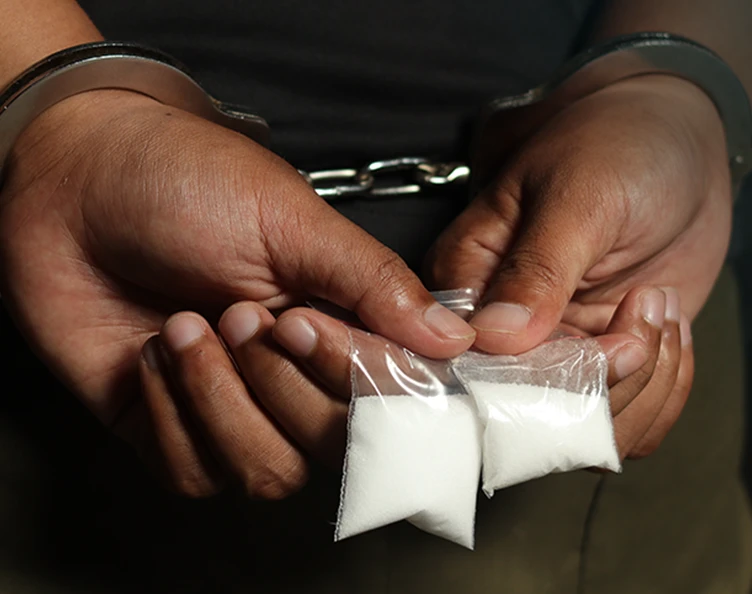

If you are ever in a situation where you are facing a potential conviction for drug crimes, it is vital that you take the proper precautions to protect yourself. A drug conviction can follow you for the rest of your life, affecting your employment opportunities, impacting your ability to find decent housing, and hurting your personal relationships. In Georgia, a drug charge could stay on your record indefinitely. To prevent such a conviction, you should contact a skilled Springfield drug crime lawyer, like Jarrett Maillet J.D., PC. With their expertise and experience, they can help guide you through the legal process and work to achieve the best possible outcome for your case.
Why Hire a Drug Crime Defense Lawyer?
Few things can feel as overwhelming and confusing as facing felony drug charges. When you are arrested and reality starts to set in, you may feel like you are already out of options or like you have already lost. At that point, it is crucial to reach out and contact an experienced criminal defense lawyer who can help you fight the charges you are facing. If you opt instead to try and handle your case alone, you could find yourself in a dire situation.
Drug crime cases require a lawyer who is familiar with local court procedures and prosecution tendencies, since understanding how local prosecutors approach these cases can shape the defense strategy from the very beginning. In many cases, working with the right attorney means the difference between a felony conviction and a significantly better outcome like reduced charges, probation, or a diversion program. Contact a Springfield drug crimes lawyer as soon as possible after an arrest so your defense can begin while the evidence is still fresh, and your options are still open.
Types of Drug Charges in Georgia
Georgia drug crimes cover a wide range of conduct, from simple possession of small amounts of controlled substances to serious trafficking offenses involving large-scale distribution. The specific charge you face depends on the type of substance, the amount involved, and whether the prosecution believes the drugs were intended for personal use or distribution. Common drug charges in Georgia include possession, possession with intent to distribute, trafficking, manufacturing, and prescription drug crimes involving the illegal acquisition or use of medications.
Heroin, cocaine, and crack cocaine charges are among the most serious drug crime cases prosecuted in Georgia, carrying heavy penalties including significant imprisonment and fines. Prescription drug crimes are also frequently prosecuted in Springfield and across the state, often involving controlled substances obtained without a valid prescription or through illegal means like forged prescriptions or doctor shopping. A drug crimes lawyer who understands the full range of drug cases handled in local courts can evaluate your specific charge and advise you on how Georgia law applies to your circumstances.
Georgia classifies controlled substances into schedules based on their potential for abuse and accepted medical use, and the schedule a substance falls under determines the baseline penalties for any related drug charge. Schedule I and II substances carry the harshest penalties, while lower-schedule drugs may result in less severe consequences depending on the facts of the case. Understanding how the prosecution is likely to classify the substance in your case and what penalties are on the table is one of the first things a skilled defense attorney will address.
Possible Defenses Against Drug Charges
Not every drug crime arrest will result in a conviction. There is always a way to challenge your charges and build a strong defense. However, it can be very difficult to do this without the help of a skilled drug crime attorney who knows how to handle cases like yours and has a winning track record of doing so. If you are charged with a drug crime, whether it is for possession or trafficking, it can cause permanent damage to your life. Here are some potential defenses your lawyer may decide to use for your case:
- Planted Evidence: One possible defense that your lawyer could use is to attempt to prove that the drugs found on you were, in fact, planted by parties unknown. Someone else may have put them on your person to try and frame you for their own reasons. If you have a list of enemies who might benefit from your imprisonment, it could be enough to establish reasonable doubt. An experienced aggravated assault lawyer can help build your defense and protect your rights.
- Chain of Evidence: When evidence is taken at a crime scene, it is supposed to be locked up and inaccessible. This includes the drugs that are taken from you at the scene of your arrest. Regrettably, these drugs may not always make it to the evidence room for whatever reason. Seized drugs sometimes disappear. Your lawyer may be able to argue that the drugs in question are not the same drugs found on your person upon arrest.
- Probable Cause: In Georgia, police officers must have a certain degree of probable cause that there is a crime being committed in order to search your vehicle or home for drugs or other evidence of wrongdoing. If the police do not have probable cause and attempt to search you or your property anyway, it may be a violation of your constitutional rights. If your lawyer can prove there was no probable cause when you were arrested, it could hurt the case against you.
- Entrapment: Entrapment is not exactly illegal in Georgia, but it can still be grounds for a strong defense in the face of criminal charges. Entrapment is a situation in which law enforcement creates a scenario that they then use to dupe a potential suspect into committing a crime in front of them. Basically, the suspect is tricked into doing something they may not have otherwise done. Proving entrapment can potentially help your case. Understanding the repercussions of a drug offense conviction is crucial, as a conviction could lead to long-term consequences such as loss of employment opportunities, damage to your reputation, and even prison time.
Errors in laboratory analysis are another area where a drug crime defense lawyer can challenge the prosecution’s case. Chemical evidence must be properly tested and documented to be admissible in court, and mistakes in the investigation process or evidence handling can render test results unreliable or inadmissible. When these errors are identified, prosecutors may be forced to reduce charges or abandon the prosecution entirely.
Your Constitutional Rights in Drug Cases
The Fourth Amendment protects all defendants against unreasonable search and seizure, and this protection applies to all drug crime cases regardless of the circumstances. Police need probable cause to obtain a search warrant, and any evidence gathered without a valid warrant or a recognized exception to the warrant requirement may be suppressible in court. You do not have to consent to a police search of your property, vehicle, or person, and exercising that right does not give law enforcement any additional authority to search you without probable cause.
After a drug arrest, you have the right to remain silent, and anything you say to law enforcement can and will be used against you in your criminal case. This right is one of the most important protections available to defendants in drug cases, and waiving it even partially can create significant problems for your defense. A drug crimes lawyer will advise you on how to assert your constitutional rights effectively throughout the investigation and prosecution.
Challenging violations of constitutional rights is one of the most powerful tools available to drug crime defense attorneys, and courts take these violations seriously. When police conduct an illegal search or fail to follow proper procedures during an arrest or investigation, a defense attorney can file a motion to suppress the illegally obtained evidence. If that motion is successful, prosecutors may no longer have enough evidence to proceed, which can result in reduced charges or a case being dismissed entirely.
Plea Agreements and Alternative Sentencing in Springfield Drug Cases
Negotiating with prosecutors is a common and often effective strategy in drug crime cases, and in many cases the right defense attorney can secure reduced charges or alternative sentencing options that prevent a defendant from facing the maximum penalties at trial. Georgia’s First Offender Act is one tool that allows eligible defendants to complete probation or a period of incarceration in exchange for sealing their record, giving first-time offenders a real opportunity to avoid a permanent felony conviction. A drug crimes lawyer who understands how local prosecutors approach plea negotiations can advise you on whether pursuing an agreement makes sense given the specific evidence and circumstances in your case.
Diversion programs may also be available for eligible defendants, particularly for simple possession cases where the underlying issue is substance abuse rather than serious criminal conduct. These programs typically involve completing treatment, community service, and regular check-ins with the court, and successful completion can result in charges being dropped entirely. Alternative sentencing options like these can prevent jail time and help clients get their lives back on track without the burden of a felony conviction on their record.
Trial defense remains a fully available option when prosecutors refuse to offer a fair resolution or when the evidence strongly supports challenging the case before a judge and jury. A defense attorney who examines the prosecution’s case carefully, challenges evidence handling and probable cause issues, and presents the strongest possible arguments at trial gives every client a real chance at a favorable outcome. Whether through negotiation, diversion, or trial, the goal is always to protect your future and pursue the best possible outcome given the facts of your case.
FAQs
How Do I Beat a Possession Charge in Georgia?
There are no sure ways to beat a possession charge in Georgia, but there are some possible strategies you can use to try to avoid conviction. One of those ways is for your lawyer to challenge the validity and admissibility of the evidence against you, such as arguing improper police procedure or evidence tampering. Another way is to argue a lack of intent or that you would benefit more from a treatment program instead of prison. If you’re in Springfield, GA, these strategies can be crucial in your defense.
What Is the Statute of Limitations on Drug Charges in Georgia?
The statute of limitations for most drug charges in Georgia is two years. That means the police have two years from the day the drugs are found in your possession to file drug charges against you. For a felony drug charge, the statute of limitations is four years. If you are arrested and released without charges made, the statute of limitations can pause and resume if you are re-arrested.
What Are Schedule II Drugs in Georgia?
Schedule II drugs in Georgia are drugs with a high potential for abuse but have current acceptable medical use in the United States with severe restrictions. Abuse of the drug could cause physical dependence. These drugs include codeine, fentanyl, morphine, oxycodone, methadone, amphetamines, and barbiturates. The penalties for crimes related to Schedule II drugs include significant jail time, probation, hefty fines, and drug treatment classes, depending on the crime.
Can a Victim Drop Charges in Georgia?
No, a victim cannot drop charges in Georgia. Crimes are prosecuted by the state in Georgia, and the victim does not have the power to make any decisions regarding charges. While the victim’s opinion will likely be considered, other factors will be considered, such as the suspect’s prior criminal history, the severity of the crime, and the possibility of the suspect committing future crimes.
What is the Difference Between Drug Possession and Drug Trafficking in Georgia?
Drug possession in Georgia means having a controlled substance on your person or under your control, while drug trafficking is a more serious charge based on the quantity of drugs involved and the inference that the drugs were intended for distribution rather than personal use. Georgia law sets specific weight thresholds for trafficking charges that vary by substance, and exceeding those thresholds triggers mandatory minimum sentences that are significantly more severe than what simple possession carries. If you are facing either charge, a drug crimes lawyer can evaluate the evidence, challenge the state’s proof of intent or distribution, and advise you on the realistic options available in your case.
Can Drug Charges be Sealed or Expunged in Georgia?
Georgia’s record restriction laws are limited compared to many other states, and not all drug convictions are eligible for sealing or expungement. However, defendants who successfully complete the terms of Georgia’s First Offender Act may have their records restricted, meaning the conviction does not appear on most background checks after the sentence is completed. A drug crime defense attorney can evaluate whether you qualify for this option or other forms of conditional discharge and advise you on how to pursue them based on the specific charge and your prior record.
What Happens at a Drug Case Trial in Georgia?
At a drug trial in Georgia, the prosecution must prove beyond a reasonable doubt that you knowingly possessed, distributed, or otherwise committed the charged drug offense, and the defense has the right to challenge every piece of evidence presented. The state must prove actual or constructive possession, meaning that you either physically had the drugs or had knowledge and control over them even if they were not on your person. A defense attorney will examine the prosecution’s evidence, challenge any violations of your constitutional rights, cross-examine witnesses, and present any available defense arguments to the judge or jury.
What Should I Do Immediately After a Drug Arrest in Georgia?
After a drug arrest, the most important steps you can take are to remain silent and contact a drug crimes lawyer as soon as possible. You do not have to answer questions from police, and anything you say before speaking with an attorney can be used against you in your criminal case. A lawyer can begin reviewing the circumstances of your arrest immediately, identify any probable cause or search warrant issues, and start building a defense strategy while the evidence and witness accounts are still fresh.
Can I Avoid Jail Time for a Drug Conviction in Georgia?
Yes, in many cases it is possible to avoid jail time for drug crimes, particularly for first-time offenders charged with simple possession or lower-level drug offenses. Georgia courts and prosecutors may be open to alternative sentencing options like probation, diversion programs, or treatment-based sentencing that address the underlying substance issue without incarceration. A drug crime defense attorney can advocate for these alternatives by presenting mitigating information about your background and circumstances and by negotiating with prosecutors for a resolution that focuses on rehabilitation rather than imprisonment.
Contact Jarrett Maillet J.D., PC to Get Help with Drug Crime Cases
The last thing you want to do when facing drug charges is try to handle your case on your own. Without the help of an experienced drug crime lawyer, you could face severe consequences you may not be prepared to handle. A drug crime lawyer helps you establish a strong defense strategy while also giving you the confidence that your case is being handled correctly.
At Jarrett Maillet J.D., P.C., we have extensive experience representing clients with drug crime charges. Our team can craft a strong defense strategy and aggressively fight for a positive outcome for you. Contact us by calling 912-713-3426 to start building a case and to speak with a member of our team.
Jarrett Maillet J.D., P.C.
Professional.
Trustworthy.
Honest.