Richmond Hill Drug Crime Lawyer
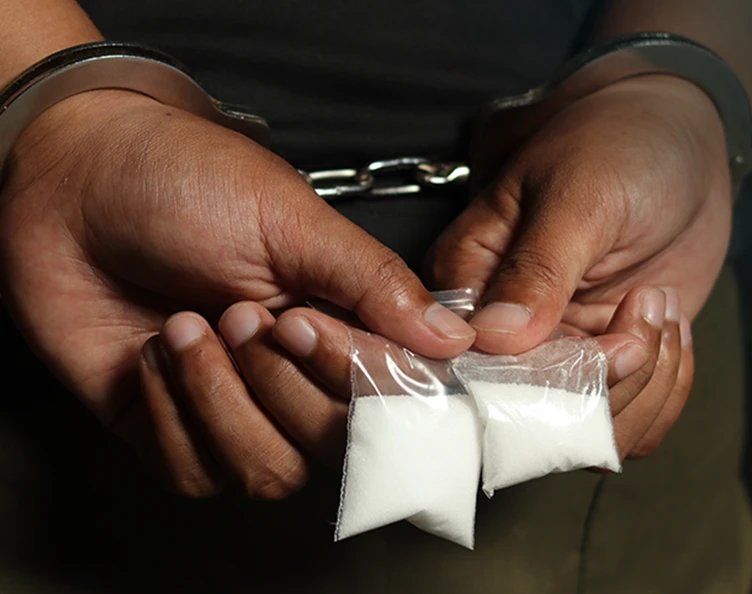

A drug arrest can turn your life upside down, especially when you’re facing the possibility of a felony conviction, prison time, or losing opportunities you’ve worked hard to build. Whether police found a controlled substance during a traffic stop or accused you of selling or distributing drugs, the charges can carry serious consequences under Georgia law. However, an arrest does not mean the prosecution has enough evidence to convict you.
At Jarrett Maillet J.D., P.C., we defend people facing drug crimes in Richmond Hill and throughout Bryan County. Attorney Jarrett Maillet is a former prosecutor with more than 20 years of legal experience handling criminal cases. We investigate the circumstances of drug arrests, examine the evidence against our clients, and challenge charges that are not supported by the facts or the law. Our goal is to protect your constitutional rights and develop a defense strategy suited to your situation.
Drug Crime Defense in Richmond Hill, Georgia
Georgia’s Controlled Substances Act governs many drug-related offenses, including unlawful possession, manufacturing, distribution, and trafficking. The charges and penalties depend on several factors, including the substance involved, its classification, the quantity allegedly recovered, and the conduct prosecutors claim occurred. A small amount of one controlled substance may lead to a felony charge, while possession of a different substance may be treated as a misdemeanor.
Drug investigations in Richmond Hill may begin during a traffic stop, a search of a residence, or an investigation involving suspected sales. Police sometimes arrest multiple people after finding drugs in a shared vehicle or home, even when ownership and knowledge are disputed. These cases often raise questions about who actually possessed the substance, whether the search was lawful, and whether laboratory testing supports the charge.
Our Richmond Hill drug crime lawyer reviews the allegations before determining how to challenge them. As part of our broader criminal defense representation, we help clients understand the charges, court procedures, and possible outcomes while preparing their defense.
Drug Possession Charges Under Georgia Law
Possession is one of the most common drug charges in Georgia. Under O.C.G.A. § 16-13-30, it is generally unlawful to possess controlled substances without legal authorization. However, the classification and penalties depend on the substance and applicable statutory provisions. Possession of cocaine, methamphetamine, heroin, and many other controlled substances can result in felony charges even when the quantity is relatively small.
Georgia law also distinguishes between actual and constructive possession. Actual possession generally involves having a substance on your person, while constructive possession may involve knowingly exercising power and control over drugs located somewhere else. For example, if police discover drugs inside a vehicle occupied by several people, the prosecution may attempt to connect one or more occupants to the substance through statements, behavior, or other evidence.
Being near drugs does not automatically prove that you possessed them. We examine where the substance was found, who had access to the location, and whether evidence connects our client to the alleged possession. When prosecutors rely on assumptions about ownership or control, we evaluate whether those assumptions satisfy the legal burden of proof.
Marijuana Possession and Other Controlled Substances
Georgia generally treats possession of one ounce or less of marijuana as a misdemeanor under O.C.G.A. § 16-13-2, subject to applicable exceptions. A conviction can result in up to 12 months in jail, a fine of up to $1,000, or other authorized penalties. Possession of larger amounts may lead to felony charges, depending on the circumstances and the statute involved.
Other controlled substances are treated differently. Cocaine, methamphetamine, heroin, fentanyl, and certain prescription medications are subject to Georgia’s drug schedules and criminal penalties. The amount involved may affect the potential sentence, but a small quantity does not necessarily make the offense a misdemeanor. The specific chemical substance and its classification must be established through the evidence.
Prescription medication cases can involve allegations that someone possessed pills without a valid prescription or obtained medication unlawfully. These investigations may require reviewing pharmacy records, prescription information, and the circumstances of possession. We examine whether the prosecution can establish that the defendant knowingly possessed a controlled substance without legal authorization.
Possession With Intent to Distribute
Possession with intent to distribute is more serious than simple possession because prosecutors allege that the defendant intended to sell, deliver, or otherwise distribute a controlled substance. Under O.C.G.A. § 16-13-30, the penalties can be substantial, particularly when Schedule I or Schedule II substances are involved. However, the prosecution must prove the elements of the specific charge, including the alleged intent.
Police may point to packaging materials, scales, cash, communications, or the quantity of drugs as evidence of distribution. These circumstances can be relevant, but none automatically establishes that someone intended to sell drugs. The defense may need to examine whether the items had lawful explanations, whether the alleged communications were accurately interpreted, and whether the substance was actually under the defendant’s control.
Our firm reviews the evidence supporting the distribution allegation rather than accepting the charge at face value. We examine laboratory reports, digital evidence, witness statements, and the circumstances of the search. When the prosecution cannot establish the required intent, that weakness may affect the charges or the available defense options.
Drug Trafficking Charges and Mandatory Penalties
Drug trafficking is among the most serious drug offenses prosecuted under Georgia law. Contrary to a common misconception, trafficking does not necessarily require proof that someone transported drugs across county or state lines. Under O.C.G.A. § 16-13-31, possessing, selling, manufacturing, delivering, or bringing certain quantities of specified substances into Georgia can qualify as trafficking.
The thresholds depend on the substance involved. For example, Georgia’s trafficking statute generally establishes a threshold of 28 grams for qualifying cocaine and methamphetamine offenses, while certain heroin and fentanyl trafficking provisions begin at four grams. Other substances have different thresholds and rules concerning mixtures and purity.
Drug trafficking convictions can carry mandatory minimum prison sentences and substantial fines. Depending on the substance and quantity, the penalties may include many years of imprisonment. Because the statutory requirements are specific, we examine laboratory testing, weight measurements, chain-of-custody records, and the evidence connecting our client to the alleged substance.
We also evaluate whether the prosecution has correctly identified the drug and applied the appropriate statutory threshold. In some cases, disputes about the quantity, chemical composition, or possession evidence may affect whether a trafficking charge can be established.
Drug Manufacturing and Distribution Allegations
Georgia law also prohibits the unlawful manufacture, sale, and distribution of controlled substances. These charges may arise from investigations involving suspected drug production, alleged transactions, or accusations that someone supplied drugs to another person. The penalties vary based on the substance, conduct, and applicable statutory provisions.
Manufacturing allegations may involve equipment, chemicals, packaging materials, or evidence recovered from a property. Distribution cases may depend on witness testimony, recorded communications, controlled purchases, or surveillance. The presence of suspicious items alone does not establish every element of a criminal offense, and the prosecution must connect the accused to the alleged conduct.
Our firm examines how investigators collected and interpreted the evidence. We review whether witnesses have firsthand knowledge, whether recordings support the accusations, and whether the alleged activity meets the elements of the charge. These details can be important when the state attempts to establish a felony offense based on circumstantial evidence.
Drug Arrests During Richmond Hill Traffic Stops
Many drug investigations begin when police stop a vehicle. In Richmond Hill, drivers may encounter law enforcement along Interstate 95, U.S. Highway 17, or other local roads. An officer may initiate a traffic stop for an alleged violation and later investigate possible drug possession based on observations, statements, or other circumstances.
Police generally need a lawful basis to stop a vehicle, and a vehicle search must satisfy an applicable exception to the warrant requirement or be supported by a warrant. Consent, probable cause, and certain other legal circumstances can affect whether a search is permitted. However, the fact that an officer found drugs does not automatically establish that the stop or search complied with the Fourth Amendment.
We examine dash camera footage, body camera recordings, police reports, and the timeline of the encounter. Questions may include whether the officer had reasonable suspicion for the initial stop, whether the detention was unlawfully extended, and whether the search was legally justified. If evidence was obtained through a constitutional violation, we may seek to have it suppressed.
Clients facing related driving allegations may also need assistance with traffic charges in Richmond Hill. When multiple offenses arise from the same encounter, we review how the evidence and procedures affect each charge.
Defending Against Drug Charges in Bryan County
Drug cases can involve complicated questions about possession, searches, laboratory testing, and witness credibility. A successful defense requires examining the specific evidence rather than relying on general arguments. The prosecution must establish every element of the charged offense beyond a reasonable doubt, and weaknesses in one part of the case may affect the overall allegations.
Depending on the circumstances, our defense investigation may address:
- Unlawful searches and seizures: Whether police had legal grounds to stop, detain, or search the defendant.
- Constructive possession: Whether evidence establishes knowledge and control over drugs found in a shared space.
- Laboratory testing: Whether testing reliably identifies the alleged substance and its quantity.
- Chain of custody: Whether the state can account for how evidence was collected, stored, and handled.
- Intent to distribute: Whether the evidence supports an allegation of sale or distribution rather than possession.
- Witness reliability: Whether statements, informant information, or alleged transactions are supported by other evidence.
The appropriate defense depends on the facts. For example, drugs found in a shared residence may raise different issues than substances recovered during a traffic stop. A trafficking case involving laboratory measurements may require closer examination of weight and purity, while an alleged distribution case may depend heavily on communications and witness testimony.
We review these issues with our clients and explain how the evidence affects their options. When appropriate, we file pretrial motions, challenge the admissibility of evidence, negotiate with prosecutors, or prepare the case for trial.
Penalties and Long-Term Consequences of a Drug Conviction
Drug convictions in Georgia can result in fines, probation, incarceration, and other court-imposed requirements. Some offenses are misdemeanors, while many controlled substance violations are felonies. The potential sentence depends on the drug classification, amount, alleged conduct, criminal history, and applicable sentencing laws.
A felony drug conviction may also affect employment, housing, educational opportunities, and certain professional licenses. Some convictions can create firearm restrictions or immigration consequences for noncitizens. These effects vary based on the specific offense and disposition, making it important to understand the potential consequences before entering a plea.
We explain the possible penalties and examine whether the evidence supports the charge. When appropriate, we may seek reduced charges, alternative sentencing, or another lawful resolution. However, no attorney can guarantee dismissal or a particular sentence, especially when mandatory minimum penalties apply.
First-Time Drug Offenses and Possible Sentencing Alternatives
A first-time drug arrest does not always result in jail or prison, but the available options depend on the offense and the defendant’s eligibility. Some people charged with qualifying possession offenses may be considered for conditional discharge under O.C.G.A. § 16-13-2. This provision can allow the court to defer an adjudication of guilt and impose probation with conditions, potentially including treatment or rehabilitation.
When a defendant successfully completes qualifying conditional discharge requirements, the proceedings may be dismissed without an adjudication of guilt under the statute. However, violating the conditions can result in further proceedings and a conviction. This option is not available to everyone, and it should not be confused with a guaranteed pretrial diversion program.
Other cases may involve eligibility for treatment-focused programs or negotiated resolutions, depending on the charge, criminal history, and court procedures. Our firm reviews the available options and explains how they compare with challenging the prosecution’s case. We also discuss the obligations and possible consequences before a client makes decisions about a plea or sentencing arrangement.
Drug Crime Cases in Richmond Hill and Bryan County Courts
Drug charges arising in Richmond Hill may proceed through the Bryan County court system, depending on the offense and applicable jurisdiction. Felony drug cases generally involve superior court proceedings, while misdemeanor cases may follow different procedures. The criminal process can include bond hearings, arraignment, discovery, pretrial motions, negotiations, and trial.
A defendant may face bond conditions requiring court appearances, restrictions on travel, or other obligations while the case is pending. Missing a hearing or violating a court order can create additional legal problems. We help clients understand the requirements affecting their cases and prepare for each stage of the proceedings.
Our firm represents people accused of drug crimes in Richmond Hill and surrounding Bryan County communities. We review the charges, explain the court process, and work to protect our clients’ rights throughout the case. Whether the allegations involve possession or felony trafficking, we approach the defense with attention to the evidence and the applicable law.
Criminal Defense From Former Prosecutor Jarrett Maillet
Attorney Jarrett Maillet brings more than 20 years of legal experience to criminal defense, including previous service as a prosecutor. That background provides insight into how prosecutors evaluate evidence, make charging decisions, and prepare cases for court. In drug cases, understanding how the state may attempt to establish possession, intent, or trafficking can be valuable when developing a defense strategy.
At Jarrett Maillet J.D., P.C., we investigate the facts rather than assuming that an arrest establishes guilt. We examine police procedures, review evidence, and explain the available options in straightforward terms. Our firm works to identify weaknesses in the prosecution’s case while preparing clients for the decisions they may face during the legal process.
We understand that drug charges can threaten a person’s freedom, reputation, and future. Our clients deserve clear communication, careful preparation, and a defense based on the facts and the law. We provide representation focused on protecting their constitutional rights and pursuing appropriate outcomes.
Frequently Asked Questions About Drug Charges in Richmond Hill
Can I Be Charged With Drug Possession if the Drugs Were Found in Someone Else’s Car?
Yes, depending on the evidence. Georgia recognizes constructive possession, which can apply when someone knowingly exercises control over drugs even if they are not physically carrying them. However, being a passenger or having access to a shared vehicle does not automatically establish possession. Prosecutors must present evidence supporting the required knowledge and control.
Is Possession of a Small Amount of Cocaine a Misdemeanor in Georgia?
Generally, no. Cocaine is a Schedule II controlled substance, and unlawful possession is ordinarily prosecuted as a felony under Georgia law, even when the amount is relatively small. The potential sentencing range depends on the applicable statute and quantity involved. The misdemeanor provision for possession of one ounce or less of marijuana does not apply to cocaine.
Can Police Search My Car During a Drug Investigation Without a Warrant?
Sometimes. The Fourth Amendment allows certain warrantless vehicle searches when a recognized legal exception applies, including searches supported by probable cause under the automobile exception. Consent and other circumstances may also affect the legality of a search. An attorney can examine the reason for the stop, the officer’s actions, and the basis for the search to determine whether a constitutional challenge may be available.
Does Georgia Require Proof That I Sold Drugs to Charge Me With Trafficking?
Not always. Under O.C.G.A. § 16-13-31, qualifying possession of certain quantities of specified controlled substances can support a trafficking charge without proof of an actual sale. The prosecution must still establish the elements of the applicable trafficking provision, including the required substance, quantity, and connection to the defendant.
Can a First-Time Drug Possession Charge Be Dismissed After Probation?
Possibly. Georgia’s conditional discharge statute, O.C.G.A. § 16-13-2, allows certain eligible defendants charged with qualifying possession offenses to receive probation without an immediate adjudication of guilt. Successful completion may result in discharge and dismissal under the statute. Eligibility and court approval are required, and violating the conditions can lead to an adjudication of guilt.
Can a Drug Charge Affect My Professional License?
Yes. Depending on the offense, conviction, and licensing rules, a drug-related conviction may affect certain professional licenses or employment opportunities. Some licensing authorities require disclosure of criminal charges or convictions and may consider the circumstances when deciding whether disciplinary action is appropriate. The specific consequences depend on the profession and applicable regulations.
What Should I Do After Being Arrested for a Drug Crime in Richmond Hill?
You should follow lawful court orders, attend required hearings, and avoid discussing the allegations on social media or with people who may become witnesses. You have constitutional rights, including the right against compelled self-incrimination, and may ask to speak with a criminal defense attorney before answering investigative questions. Preserving relevant records and contacting counsel promptly can help ensure important evidence is reviewed.
Contact Our Richmond Hill Drug Crime Lawyer
A drug charge can put your freedom, career, and future at risk, but the prosecution must prove the allegations under Georgia law. Whether you are accused of possession, distribution, manufacturing, or trafficking, the evidence and circumstances of your arrest deserve careful review. At Jarrett Maillet J.D., P.C., we investigate drug cases, challenge unsupported charges, and defend clients throughout Richmond Hill and Bryan County.
If you or a loved one is facing drug charges, call (912) 713-3426 or contact us online to schedule a free, confidential consultation with attorney Jarrett Maillet. We will review the allegations, explain the potential penalties, and discuss the defense options available under Georgia law.
Jarrett Maillet J.D., P.C.
Professional.
Trustworthy.
Honest.